[Spring 2026 GPS] Deal Or No Deal?
James Schofield - Jun 29, 2026
A look at how the Iran war situation has shaped out so far for the global economy..
As we enter the fourth month of the conflict in the Middle East, and despite the almost daily reports of an imminent deal between the U.S. and Iran, the Strait of Hormuz has remained closed for more than three months.
Thanks to a combination of record US exports and a slowdown in Chinese demand the price of oil has not soared to the levels many oil analysts predicted at this stage of the blockage.
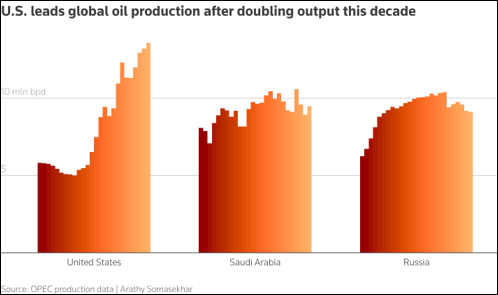
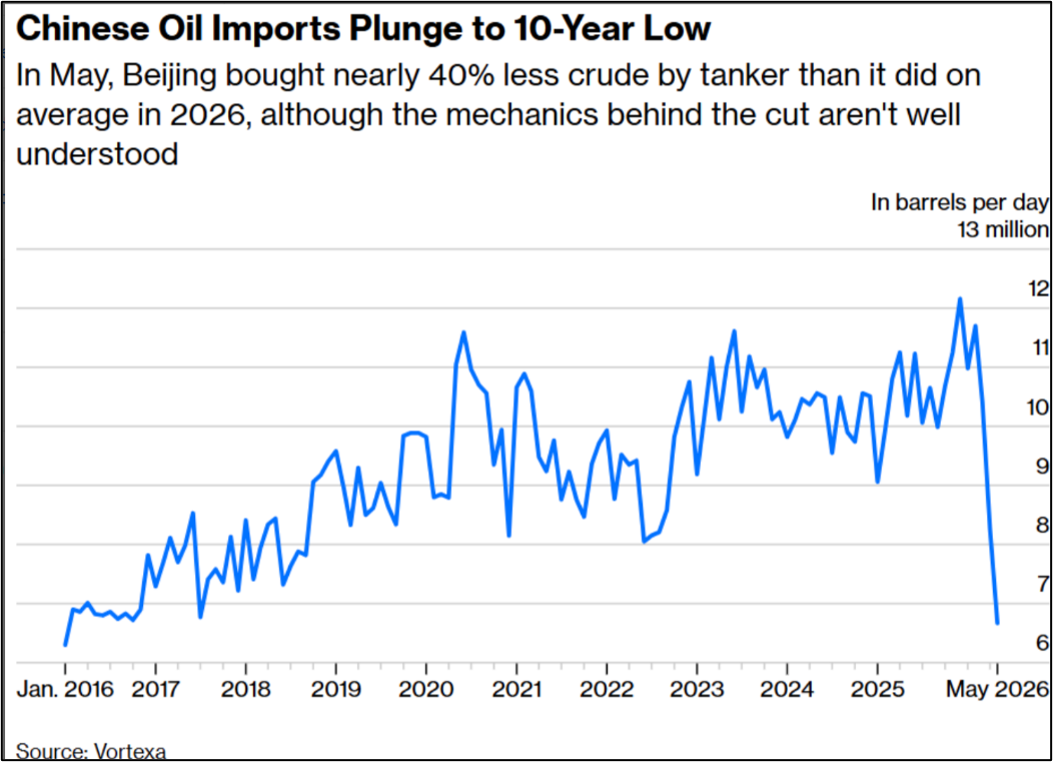
In addition, a pre-war surplus and a steady trickle of crude still finding its way through the strait have helped absorb the shock.
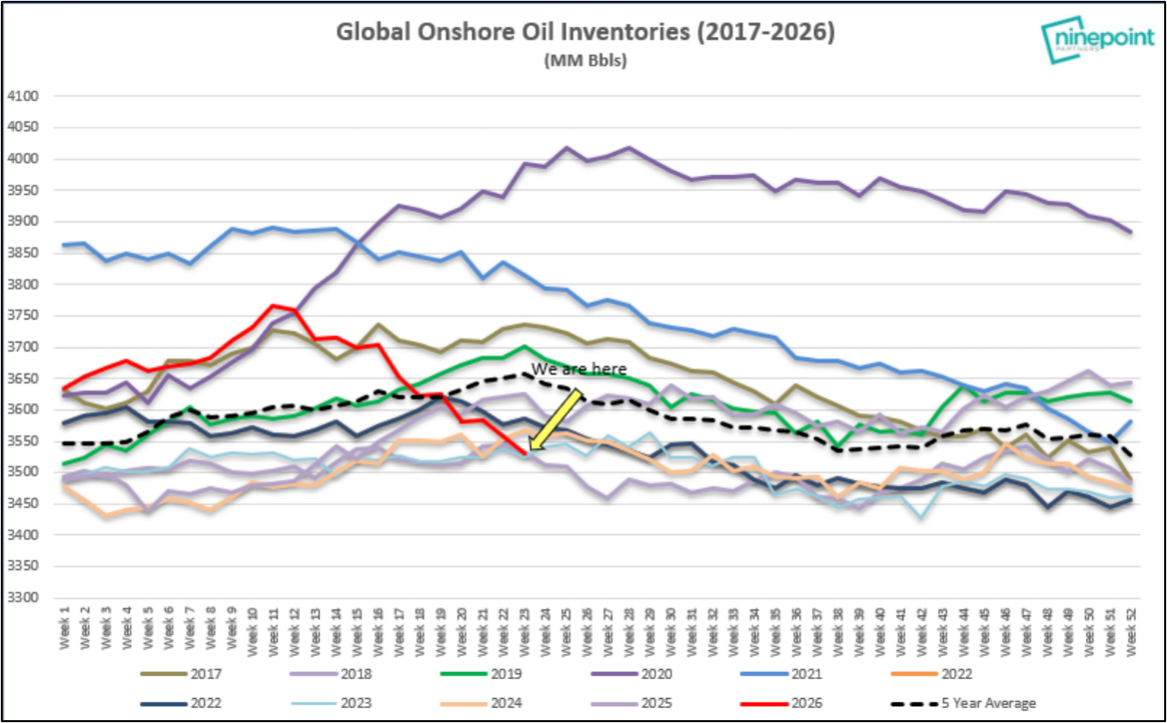
But the current situation remains unsustainable. Global inventories are drawing down at a record pace, leaving the market vulnerable to fresh disruptions. Even relatively small outages could trigger violent price spikes as reserves? dwindle.
The silver lining is that these months of elevated-but-not-extreme oil prices have bought time for alternatives to ramp up. Some Gulf states are racing to build more pipelines to export oil across the Arabian Peninsula, bypassing the Strait Other worldwide oil projects can be approved and brought online gradually.
There is no viable alternative to opening the Strait and releasing the stranded oil production from Gulf producers. Still, the combination of inventory drawdowns and accelerated alternative plans has lessened the impact of this supply shock compared with the 2022 energy crisis when Russia attacked Ukraine.
Ripple Effects on Global Economies:
Higher oil prices are a tax on the global economy. They increase transportation, production, and household spending costs, leaving less money for other spending. If the current situation persists for a long time, this will creep up and show in the earnings of specific sectors of the economy.
Some important macro effects:
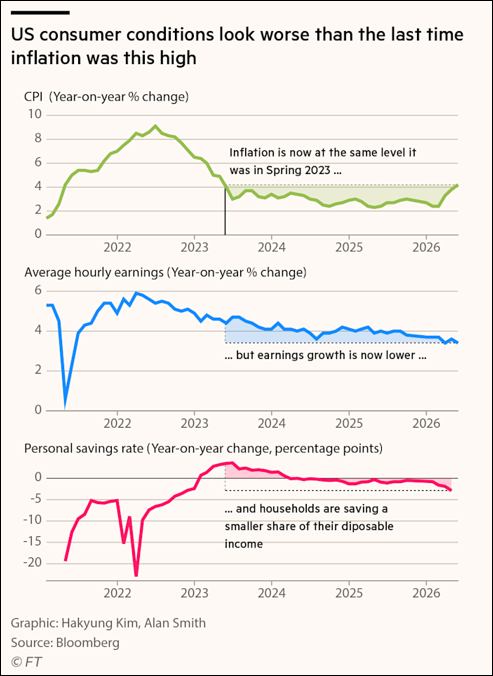
- Inflation pressure: Energy is an important input across the economy; therefore, higher oil prices tend to push up inflation. Consumers have been experiencing this firsthand at the gas pumps; see the chart below.
- Central bank response: If inflation rises significantly and weighs on the economy, central banks may delay rate cuts or even contemplate further tightening.
- The Bank of Canada held the rate steady at its meeting on Wednesday, June 10. Governor Macklem emphasized the Bank is looking through energy-driven inflation, with limited evidence of broad-based pass-through. Two-sided risks shape the outlook: uncertainty around the United States–Mexico-Canada Agreement (USMCA) justifies an accommodative stance. In contrast, the risk of energy price spillover into broader inflation could warrant a more restrictive stance.
- In the U.S., The Federal Reserve held interest rates unchanged on June 17.
- The European Central Bank (ECB) announced a quarter-point rate hike on June 11 as the war in Iran continues to push inflation off target. This is the first rate hike by the ECB since 2023.
- Growth slowdown: Import-dependent economies (particularly in Europe and parts of Asia) face rising energy import bills, deteriorating trade balances, and a cooling of consumer and business spending.